Tirzepatide is a new medication administered through injections. It's designed to aid individuals with type 2 diabetes by controlling blood glucose levels. Tirzepatide works by replicating the effects of two natural hormones, GLP-1 and GIP, which play the control of blood sugar.
Understanding how tirzepatide works is crucial for patients who are considering this medication. A physician can give detailed details about the amount, potential side effects, and positive outcomes associated with tirzepatide injections.
Moreover, it's important to talk about your medical history and any other medications you are using with your doctor. This will help confirm that tirzepatide is a suitable option for your individual circumstances.
Pricing for Tirzepatide
Assessing the expense burden of Tirzepatide treatment is a crucial step for both patients and healthcare providers. The overall cost of Tirzepatide can fluctuate considerably based on several elements, including the strength required, insurance coverage, and geographical region. It's essential to consult with your healthcare provider about potential cost-saving options available, such as financial aid programs.
- Additionally, understanding the potential future financial implications of Tirzepatide treatment can help patients make thoughtful decisions about their healthcare plan.
Canadian Tirzepatide Market
Recent developments have generated much discussion surrounding the availability of tirzepatide in Canada. This revolutionary drug, approved for managing type 2 diabetes, has shown promising results in clinical trials. While tirzepatide is currently approved in some Canadian provinces, tirzepatide en comprimé its {widespreadaccess remains a topic of discussion. Medical professionals are actively monitoring the situation and providing updates on tirzepatide's launch. The need for tirzepatide in Canada is significant, and patients are eagerly awaiting its {widerreach.
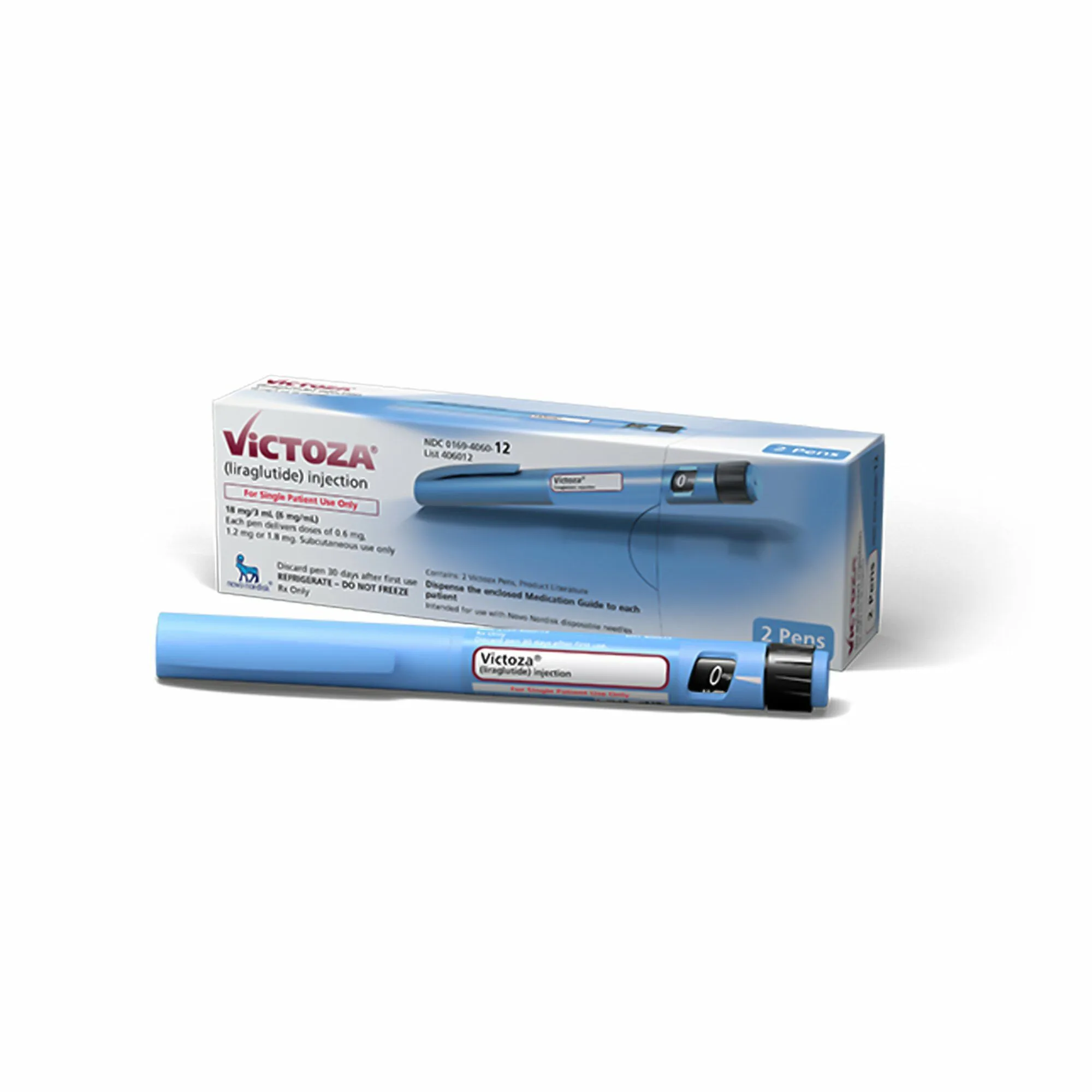
Exploring Tirzepatide: A New Diabetes Medication
Tirzepatide has recently emerged as a potential treatment option for individuals with insulin-dependent diabetes. This medication acts by boosting two key hormones, GLP-1 and GIP, which play a vital role in regulating blood sugar levels. Tirzepatide's {unique{ mechanism of action makes it powerful in lowering both blood glucose and weight. Clinical trials have demonstrated that tirzepatide can lead to noticeable improvements in glycemic control, often leading to a decrease in the need for other diabetes medications.
- On the other hand, it's important to note that tirzepatide, like any medication, can have potential complications. Common side effects may include vomiting and bowel movements.
- {Furthermore{, it's essential to consult with a healthcare professional to determine if tirzepatide is the right treatment option for your individual needs. They can provide personalized guidance and monitor your response to the medication.
- Discuss your physician about the appropriate dosage for your individual circumstances.
- Always understand the medication guideline provided with your Tirzepatide prescription.
- Maintain Tirzepatide as instructed by your physician to ensure its effectiveness and safety.
Tirzepatide Dosage and Administration Guidelines
Tirzepatide is a prescribed medication that necessitates careful administration. Following your physician's instructions is paramount for achieving therapeutic effects. The exact dosage of Tirzepatide will vary depending on individual patient needs and medical conditions. Typically, Tirzepatide is administered once a week.
It is essential to comply with the prescribed dosage and administration routine. Contact your healthcare specialist immediately if you experience any unforeseen side effects or have any queries regarding Tirzepatide.
Tirzepatide: Potential Benefits and Side Effects
Tirzepatide is a relatively new medication used to treat type 2 diabetes. It works by replicating two hormones, GLP-1 and GIP, which help manage blood sugar levels. Tirzepatide has shown promising results in clinical trials, demonstrating significant lowerings in both blood sugar and A1C levels. Patients taking tirzepatide may experience benefits like enhanced insulin sensitivity, weight loss, and a reduced risk of heart complications. However, like all medications, tirzepatide can cause adverse reactions. Common side effects include nausea, bowel movements, and slowed bowel movements. More significant side effects, though less common, may include pancreatitis. It is essential to discuss any potential concerns with your healthcare provider before starting tirzepatide therapy.